React architecture
Component boundaries, data flow and state that still make sense once the product has grown.
Next.js App Router
Routing, rendering and deploys, with server and client components split where it helps.
TypeScript end to end
One set of types across the client, the API and the database layer.
Component libraries
Typed building blocks the rest of the team can pick up without asking how they work.
State management
Redux where it earns its place, Context and local state where it does not.
Responsive layouts
One build that holds up from a phone to an ultrawide monitor.
Data-heavy screens
Tables, filters and dashboards over large sets, without the page stuttering.
Forms and validation
Long forms where server errors land back on the field that caused them.
API design
REST and GraphQL surfaces shaped around what the product actually does.
Node.js services
Express and NestJS services carrying real traffic, not prototypes.
Real-time systems
WebSocket infrastructure holding 1,000+ concurrent sessions at sub-50ms latency.
Multiplayer collaboration
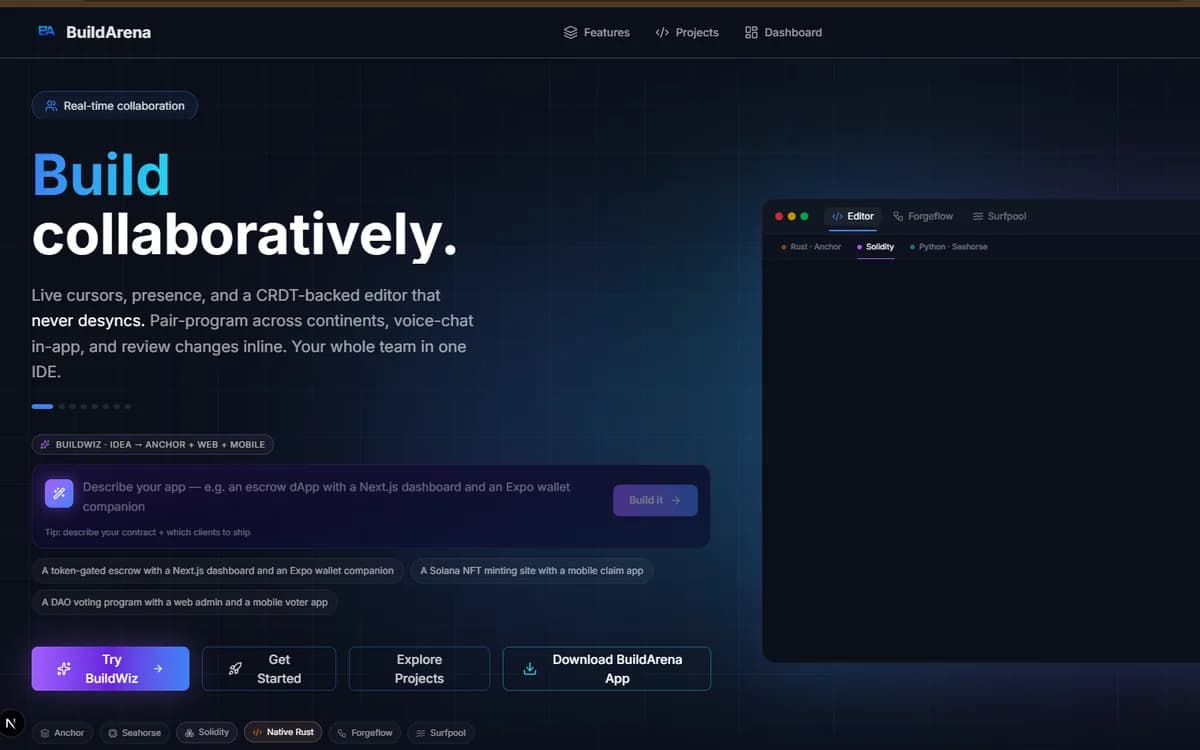
Editor, canvas and output state shared across everyone in the same workspace.
Live dashboards
Numbers, charts and status that keep updating under sustained load.
Messaging and notifications
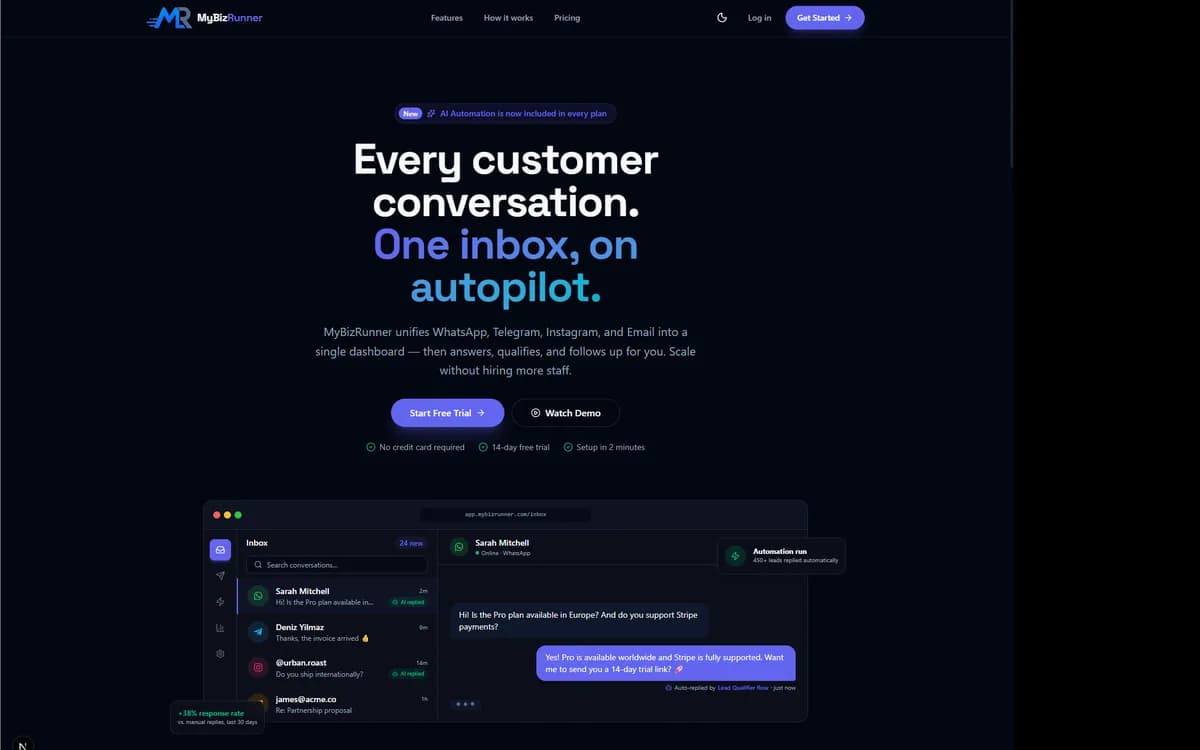
Delivery between users that stays responsive with many people connected.
Multi-tenant architecture
One platform serving many customers, with their data properly isolated.
Authentication and RBAC
Roles and permissions enforced on the server, reflected honestly in the UI.
Row-level security
PostgreSQL policies so the database refuses what the application forgets.
Audit logging
A defensible record over sensitive data, built for the people who have to report on it.
Database modelling
Schemas, indexing and partitioning that stay quick as the rows pile up.
Caching with Redis
Hot paths kept fast, and invalidated when the data behind them changes.
Background jobs
Queued and scheduled work with retries, so slow tasks stay off the request path.
Payments integration
Stripe and Paystack flows, from checkout through to settlement.
Multi-currency wallets
Balances, conversions and live transaction state that agree with the ledger.
Reconciliation
Settlement that keeps ledger state consistent across systems, cutting failures.
KYC and AML flows
Verification steps and the states a user can actually recover from.
Third-party integration
Webhooks and external APIs with retry and recovery when they misbehave.
Scheduling and capacity
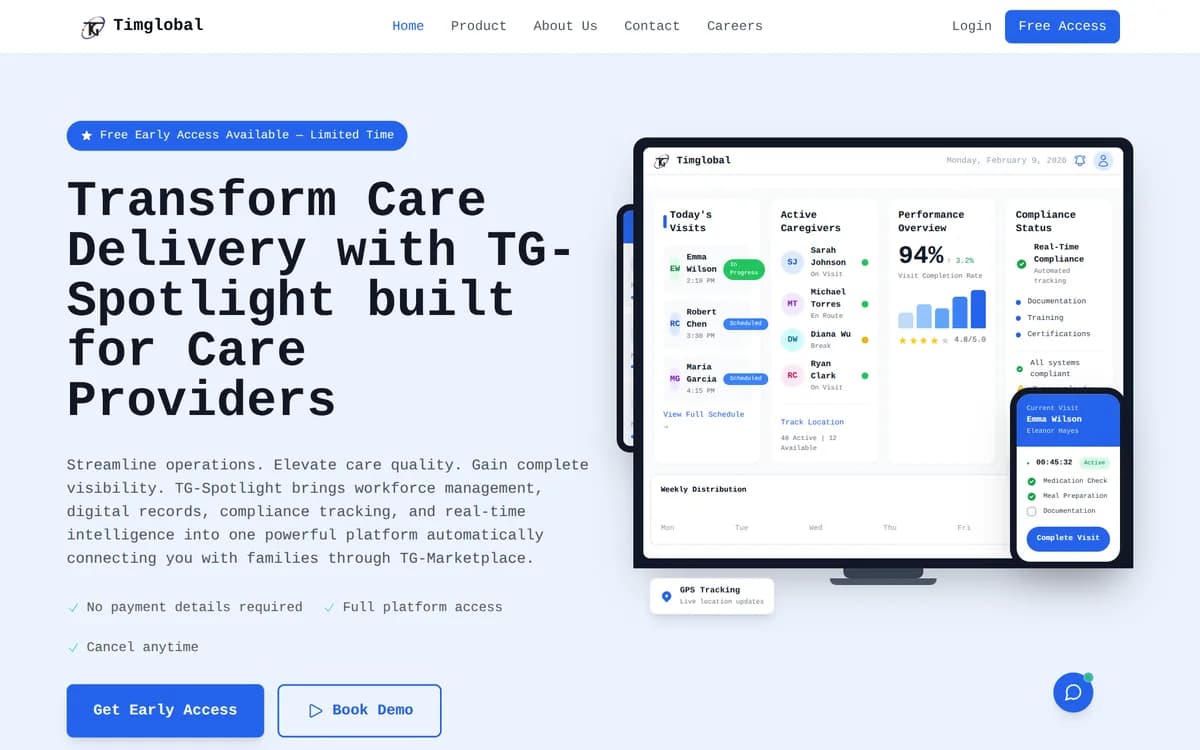
Shift allocation, availability and workload for the people who run operations.
Workflow automation
Assignment, handover and approval steps replacing manual coordination.
Jest test suites
Unit and integration cover over the paths that cost money when they break.
Code review standards
What gets reviewed, what blocks a release, and why the team agreed to it.
CI/CD pipelines
GitHub Actions running the checks and the deploys from the first commit.
Docker and self-hosting
Containers, reverse proxies and infrastructure that stays up.
AWS infrastructure
EC2, S3, RDS and Lambda, provisioned and deployed to from CI.
Monitoring and logging
Structured logs, product analytics and enough signal to debug production.